A vision board is cute. A vision board that actually changes your behavior and erases your bad habits is… a weapon.
Every December, I host my annual Vision Boarding Party on Instagram Live at @packslight, and I’ve kept this tradition for five years straight, which might be the most consistent thing I’ve done in my adult life. What started as “let’s make a pretty collage” turned into a real personal system for clarity, decision-making, and momentum.
I’ve made vision boards for years, and some of the same desires kept showing up… Year after year…
Fitness. Relationships. A certain kind of wealth and lifestyle.
But not in a “I’m growing and evolving!” way.
In a “…why is this still here” way.
So instead of rushing past the feeling, I did what I always do as the Minister of Delusional Confidence and do-it-scared: I confronted it.
If you want 2026 to feel different, not just look different, this post is for you.
- First, grab the free template
- Want me to guide you through it like a low-effort podcast?
- The mindset shift that changed everything
- Before you build your 2026 board, make a Proof of Life board
- 7 Required Question to Ask Before you Begin
- How to build your board like it’s meant to be used
- Where to find images that don’t feel corny
- The part nobody wants to hear: a vision board won’t do anything if you don’t build reinforcement
- What to do if you keep putting the same goal on your board every year
- Put it all together: the simple 2026 vision board flow
- Final note
The goal is simple: you read this, you build yours, you set it as your lock screen, and your 2026 starts getting louder.
First, grab the free template
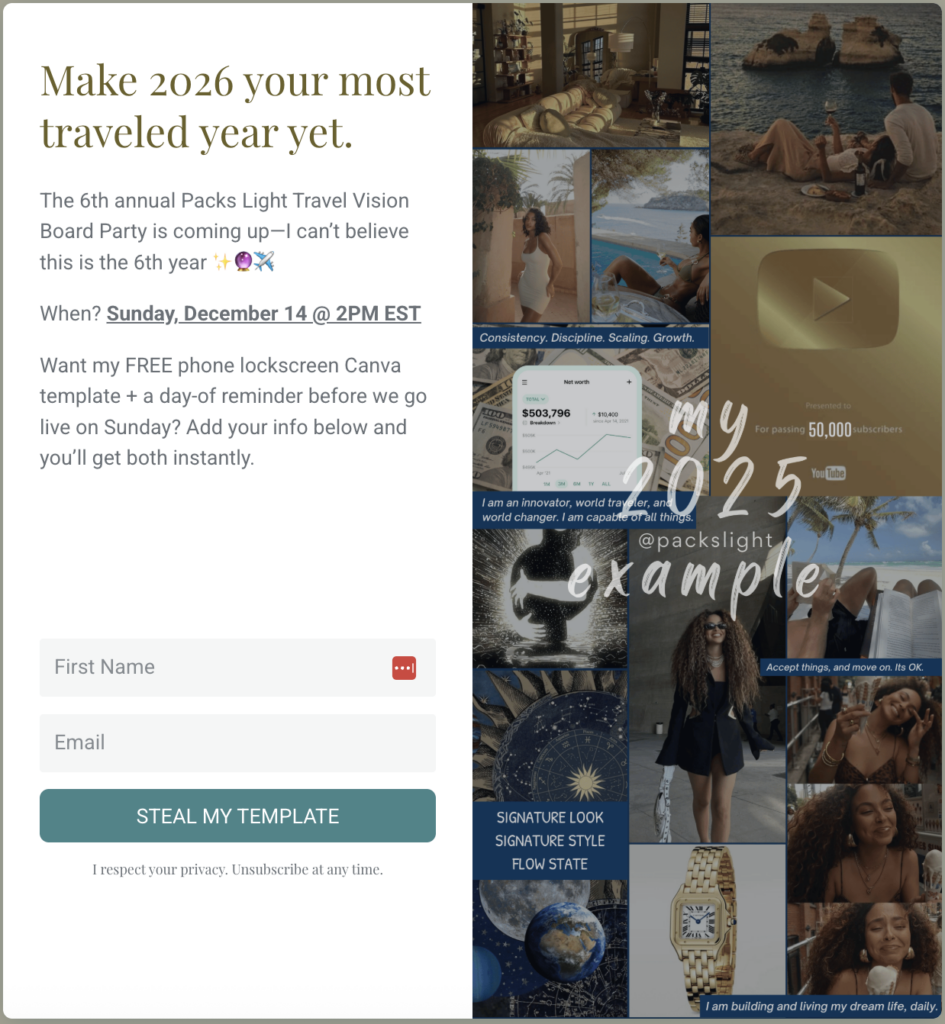
I made a free Canva template designed to fit perfectly as your phone background and lock screen.
Download it here: free Canva mobile Vision Board template.
Use it as-is, customize it, remix it, make it dramatic, make it minimalist. Just make it yours.
If you post it, tag me: @packslight. I genuinely love seeing what you’re calling in.
Want me to guide you through it like a low-effort podcast?
If you want to follow along with my exact process (without overthinking), I recorded a one-hour guided session walking you through:
- how I choose images
- how I decide what doesn’t belong
- how I turn “vibes” into real goals
- how I use the board throughout the year
Watch this year's replay here: watch the 2025 Vision Boarding Party Live Replay
Put it on while you’re making tea, cleaning your room, or sitting on the floor with your laptop like you’re about to change your life. Because you are.
The mindset shift that changed everything
Most people treat a vision board like a wish list. I treat mine like a filter.
The board isn’t the manifestation. The board is the standard.
It’s a visual reminder that every decision you make has to move you closer to what you said you wanted. Not in a toxic hustle way. In a “stop letting random distractions run your life” way.
If your lock screen is a daily interruption, it becomes harder to accidentally live on autopilot. And if you’re anything like me, autopilot is sneaky. Autopilot looks like:
- saying yes to cool things that don’t move the needle
- staying “busy” and calling it progress
- collecting experiences but not collecting clarity
- wanting growth, but choosing comfort in tiny ways all year
A vision board can be a mirror. Not just a mood board.
Before you build your 2026 board, make a Proof of Life board
This is the step I wish I’d started years ago.
Before I made my 2026 vision board, I made something else first:
A Proof of Life board.
It’s exactly what it sounds like. A board made of images from your real life that prove you’re not starting from zero. Proof that good things happened. Proof you’ve grown. Proof you’ve survived things that once felt impossible. Proof you’re already closer than your brain lets you admit.
Why it matters:
A lot of us keep mentally “defaulting” back to an older version of ourselves. I realized I was still operating like 2020 me, the version who had to hustle, sneak into rooms, prove herself, and turn dust into gold thread. That version got me here.
But she cannot take me where I’m going next. When you build a Proof of Life board, your baseline updates. You stop trying to plan your future from a version of you that no longer exists.
Try it:
- Open your camera roll
- Pull photos from the past year that make you say, “Wait… I did that?”
- Include receipts: trips, wins, friendships, stages, moments of peace, moments of courage
- Put it into a Canva page (or a simple collage)
Then look at it and let it recalibrate your self-image.
You’re not behind. You’re not late. You’re building.
Now you can build intentionally.

7 Required Question to Ask Before you Begin
Here’s the part people skip.
They jump straight to Pinterest, find a villa, find a hot couple photo, find a “That Girl” quote, and call it a day.
Then December comes around again, and somehow the board didn’t “work.”
Sometimes it didn’t work because it wasn’t specific. Sometimes it didn’t work because it wasn’t real.
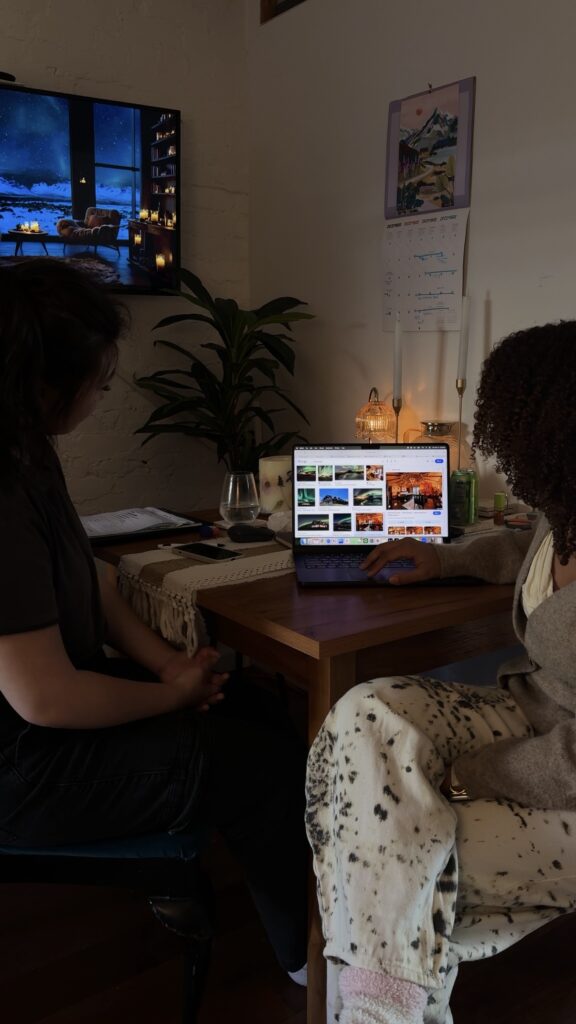
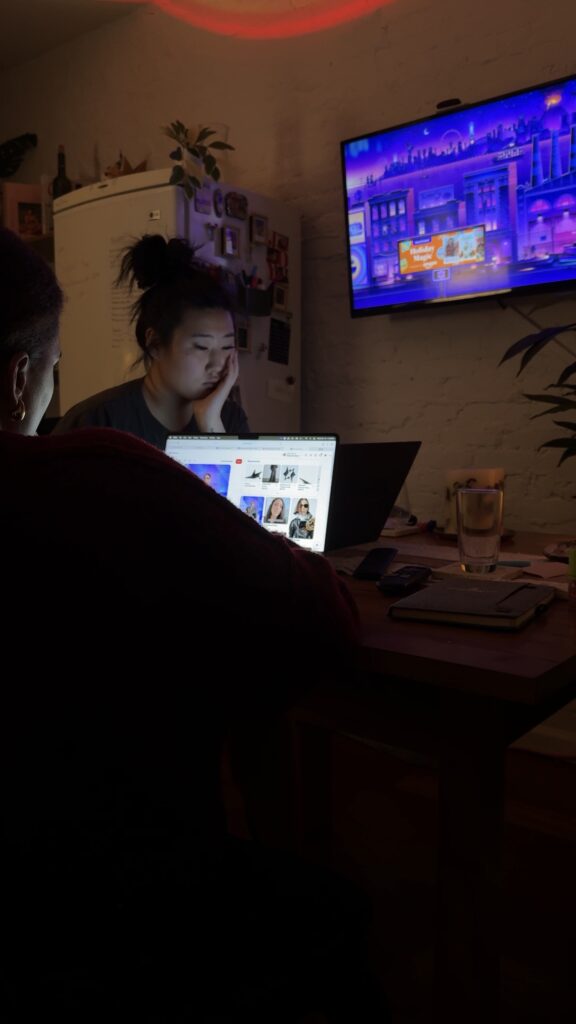
So my friend Grace and I did what I’m calling an emergency 2026 planning meeting in my small NYC apartment. Two days. No dodging. No glossing over. Just the questions people avoid.
These are the questions that changed everything:
1) What did I do in 2025 that I never want to repeat in 2026?
Start here because it’s clean.
What distracted you? What drained you? What looked fun but cost you more than it gave you? What habits, patterns, or choices do you want to retire?
No shame. Just data.
This question saves you from bringing the same chaos into a new year with a fresh manicure and a new planner.
2) What did I do in 2025 that actually worked?
What “slayed,” in the words I used on Live.
What genuinely improved your quality of life? What made you feel stable, clear, proud, or more like yourself?
Keep the wins. Build on them.
3) What do I want that I didn’t even get to try in 2025?
Not what you failed at. What you didn’t even attempt.
Maybe you wanted to:
- start YouTube seriously
- invest
- travel differently
- date differently
- take your health seriously without punishing yourself
- build community in a real way
If it’s still on your mind, it’s information.
4) What do I want to wake up and feel, see, and do on a daily basis in 2026?
This is where you get sickeningly specific.
Not “better mornings.” What does that look like?
Not “more friends.” Who are they? What do you do together? What kind of people do you feel safest around?
Not “more money.” What does money do for you? What freedom does it buy? What does your day look like when you have it?
Specificity is kindness to your future self.
5) What’s on my bucket list experientially?
If a fairy godmother busted through your window with three wishes and an attitude, what would you ask for fast?
Put that on the board.
Not what sounds impressive. What feels like it would change you.
6) What season of my life is 2026?
What’s your theme? Your word? Your era?
Think of it like a movie. Different seasons of life have different soundtracks.
Are you in:
- the rebuild season
- the discipline season
- the softness season
- the “I’m done playing small” season
- the healing season
- the expansion season
- the selective season
My word for 2026 is selective.
Because I do too much. I’m multi-hyphenate, talented, curious, ambitious, all the things. Cute.
Potential doesn’t matter if it’s divided into a hundred directions.
So I’m choosing editorial energy. Picky energy. Leash energy.
7) If I got a million dollars tomorrow, what would I do?
Most people say “invest it” and stop there.
Okay. Specifically where?
What would you buy? What would you fund? Who would you hire? What would you fix first? What would you finally stop tolerating?
This question exposes whether you actually know what you want, or whether you’ve been floating… And floating is expensive.
How to build your board like it’s meant to be used
Here’s the process I follow inside Canva using the template.
Step 1: Decide what the board is for
A vision board can be:
- a vibe board
- a goals board
- a “don’t forget who you are” board
- a decision filter
- a daily nervous system reminder
Mine is primarily a decision filter.
So when I’m about to say yes to something, I can ask:
Does this move me toward what I said I wanted?
If it doesn’t, it’s not automatically a no. But it has to be an intentional yes.
That’s the difference between a planned life and an impulsive life.
Step 2: Choose fewer images, with more emotional impact
I learned this the hard way.
If the board is too busy, your brain stops seeing it.
If the text is tiny, you won’t read it.
If the images are pretty but abstract, you’ll scroll past them and nothing will stick.
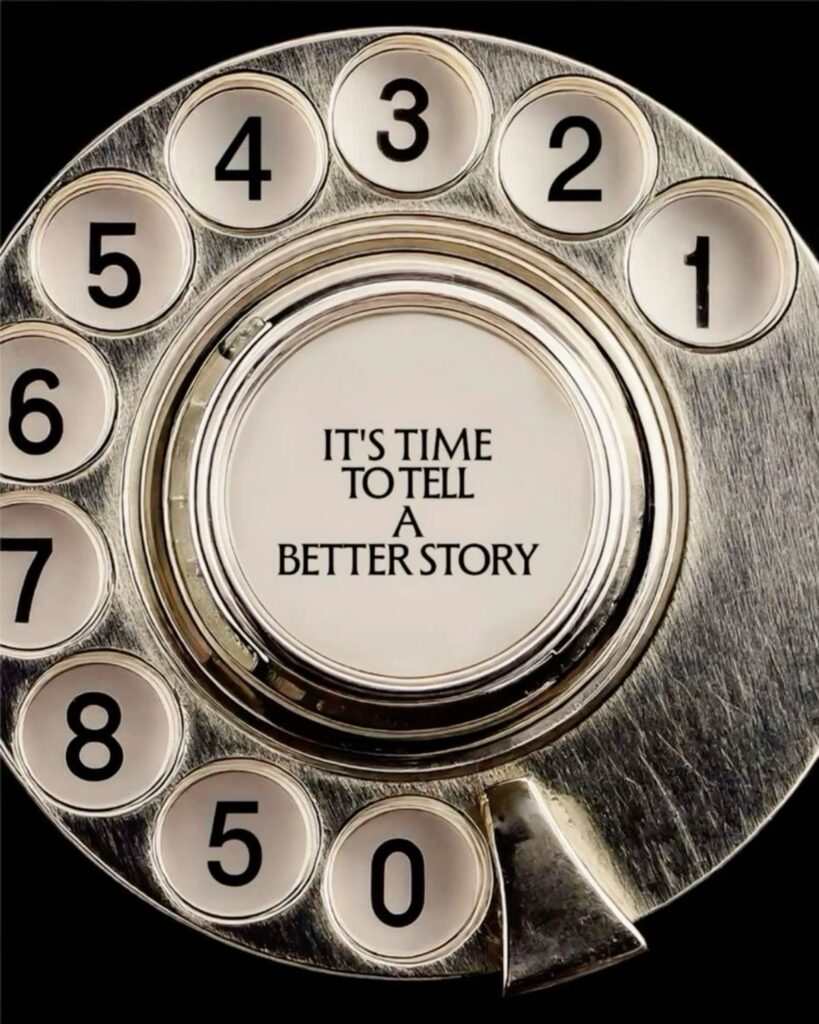
So I made my 2026 board simpler:
- fewer images
- more literal visuals
- one core word
- one or two phrases that snap me back into focus
A vision board is not a scrapbook. It’s a trigger.
Step 3: Make your images literal, not philosophical
This is a big one.
Sometimes you don’t actually want the thing in the photo. You want what it represents.
Example:
You pin a photo of a villa.
Do you want the villa, or do you want:
- rest
- privacy
- safety
- ease
- being taken care of
- soft mornings
- money without anxiety
Name the real desire.
Then choose images that match the real desire, not just the aesthetic version.
When I wanted a specific experience, I used screenshots from the actual website. Not Pinterest. Not vibes. Literal.
Step 4: Add one phrase that tells your brain what to do
I used one line that hits me instantly:
“It’s time to tell a better story.”
That phrase is personal. It’s my internal reset button.
Choose yours.
Something that interrupts autopilot.
Something that makes you sit up straight.
Step 5: Put it where you can’t ignore it
That’s why I design these for your lock screen.
Not because it’s cute. Because it’s unavoidable.
You don’t need more motivation. You need more reminders.
Where to find images that don’t feel corny
You want visuals that feel elevated, specific, and aligned.
Here are my favorite sources:
Best for: concepts, aesthetics, outfits, interior vibes, aspirational scenes
Tip: search like a designer, not like a tourist. Try “editorial dinner party,” “quiet luxury office,” “morning routine sunlight,” “creative director desk.”
Unsplash
Best for: clean, high-quality photography without influencer energy
Tip: use it for background images or “feeling” shots that don’t look staged.
Best for: real-life reference points
Tip: save posts that make you feel something. Sometimes you don’t want the photo, you want the standard it represents.
Google Images
Best for: hyper-specific visuals
Tip: if you want a specific tour, hotel, or event, go directly to the source and screenshot. Literal beats aesthetic.
Your own camera roll
Best for: Proof of Life boards and identity reinforcement
Tip: include your own wins. Your brain needs receipts.
The part nobody wants to hear: a vision board won’t do anything if you don’t build reinforcement
This is where I got brutally honest with myself.
I had my vision board as my lock screen all year, and I can count on one hand how many times I actually looked at it.
Not glanced. Looked.
My brain truly just be forgetting.
So I changed the system.
Here are a few reinforcement ideas you can steal:
- Put a recurring monthly calendar reminder titled “Look at your lock screen on purpose”
- Set a weekly 5-minute reset where you review your board and choose one action for the week
- Use Apple Reminders to nudge you at times you tend to spiral or procrastinate
- Create an Apple Shortcut that opens your vision board file or Canva link automatically
- Pair the board with one small accountability ritual (Sunday planning, Monday reset, first-of-the-month review)
Manifestation without reinforcement is just hope dressed up nicely.
You don’t need to be perfect. You need to be consistent enough to interrupt old patterns.
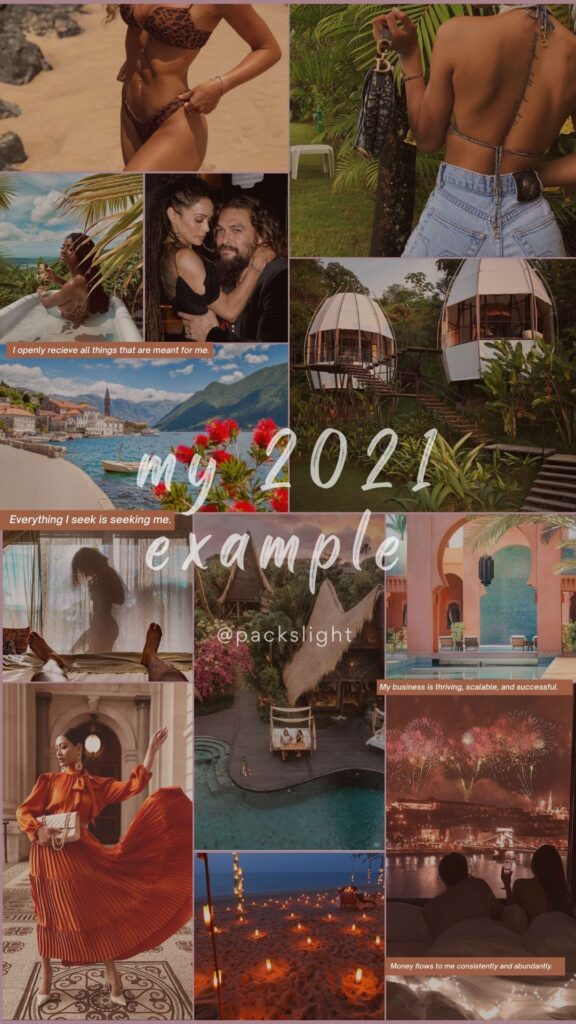
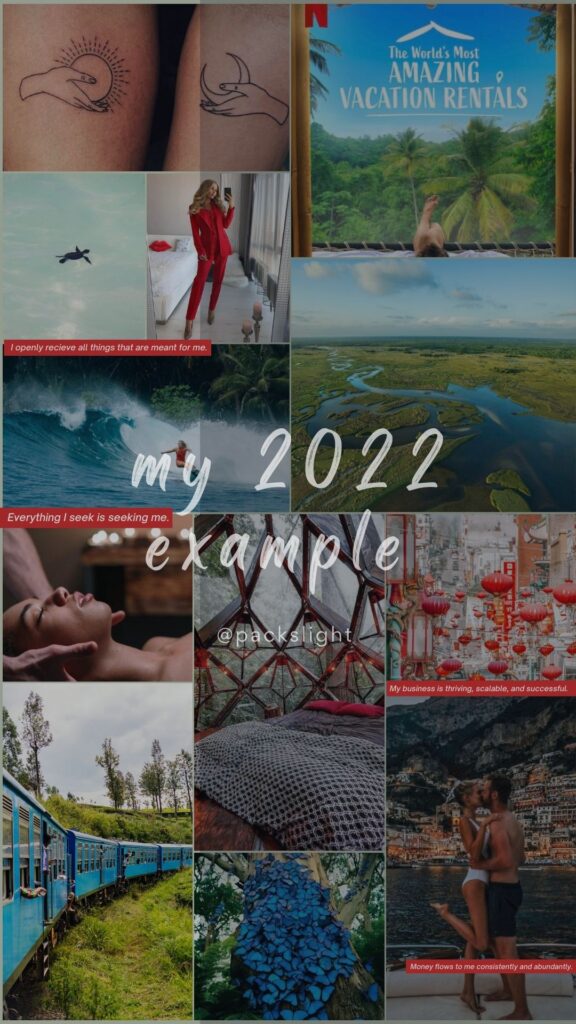

What to do if you keep putting the same goal on your board every year
This came up on the Live, and it’s real.
If a goal keeps repeating, one of three things is happening:
1) It’s not actually your goal
It might be a pretty desire. A socially approved desire. A “this would look good if I achieved it” desire. Be honest. If you truly wanted it, you’d probably be moving toward it.
2) You want the feeling, not the outcome
You might not want the marriage, you want safety.
You might not want the six-pack, you want confidence.
You might not want the luxury, you want ease.
Name the feeling, then build the board around the real need.
3) It requires an identity shift
Some goals don’t happen because they require you to become someone new. Not a “new you” in a cringe way. In a practical way.
If you want a goal you’ve never achieved, you usually need systems you’ve never built. So instead of asking “why can’t I do it,” ask: What kind of person does this naturally, and what do they do daily?
Then start small. Identity is built in boring moments.
Put it all together: the simple 2026 vision board flow
If you want the clean version, do this:
- Make a Proof of Life board first
- Answer the 7 questions (even briefly)
- Download the free template
- Choose fewer, more literal images
- Add one word for your year
- Set it as your lock screen
- Add at least one reinforcement system
That’s it. Not complicated. Just intentional.
Final note
If you take nothing else from this post, take this:
You don’t need a new year. You need a new standard. A vision board is a way to stop negotiating with yourself.
Go download the template, make the board, set it as your lock screen, and tag me (!) @packslight if you share it.
Template: [VISION BOARD TEMPLATE]
Guided session replay: [WATCH THE REPLAY]
Tag me: @packslight
And if you’re stepping into 2026 with a word already, I want to hear it.
Drop it in the comments of this article!
They work when they change your behavior. A board won’t “manifest” your life on its own, but it can keep your priorities visible so your daily decisions stop drifting. Think of it like a filter, not magic. If you pair it with action (even small weekly steps), it becomes a powerful accountability tool.
Start with what you don’t want, what worked last year, and what you’re craving more of. You can also build a Proof of Life board first to remind yourself what already fits. Clarity usually shows up after reflection, not before it.
Canva – I have an entirely FREE cellphone lock screen template you can borrow to make yours too!
Add reinforcement. Set a monthly reminder to intentionally review it. Pair it with a weekly 5-minute reset. If you’re ADHD like me, create gentle nudges using Reminders or Shortcuts so you’re prompted at the moments you tend to drift. The board is the cue, the system is the follow-through.
Only if your goals change or you accomplish something and want to replace it. Constantly updating can turn it into entertainment instead of commitment. Your board is supposed to train focus, not feed restlessness. If you’re bored, revisit your goals, don’t redesign them.
2 comments
So love this breakdown! I did a whole end of year process including Year in Review and Year Ahead. This reinforced all of it. I felt intuitively to align this after a key program on inner work and aligned amazingly.
My word for 2026 is Surrender. I will tag you on Proof of Life + Vison Board (I used same template for both boards)
Simply BRILLIANT!