Two Japanese tourism boards hired me to skip their most popular sites.
If we haven't met yet, hi! I'm Gabby, and I've been a full-time travel creator for six years. I've traveled to more than 60 countries, and along the way I've partnered with tourism boards like Visit Cayman Islands, Visit Jordan, and the British Virgin Islands Tourism Board.
This fall, I'm working with the tourism boards of Hokkaido and Visit Kyoto on their current initiatives: getting travelers off the beaten path and into the activities and neighborhoods most visitors overlook.
This article is about Japan. It’s also about a question I ask about almost everything now: is this what I want, or what I’ve been told to want? The famous route is famous because millions of people got handed the same list. Following it feels safe. It also means waiting in the same line as everyone else, for a version of the trip someone else designed. That’s true of itineraries, and it’s true of lives.
That's the brief I'd write for myself anyway.
Japan has been part of my life for a long time. I lived in Okinawa as a kid. My stepmom is Okinawan and so I grew up interacting with the culture, and we've returned a few times as a family over the years. I've done the big-city classics too. Like real-life Mario Kart racing through Tokyo, and in 2024 I worked with Visit Sapporo in Hokkaido, and with Visit Okinawa.
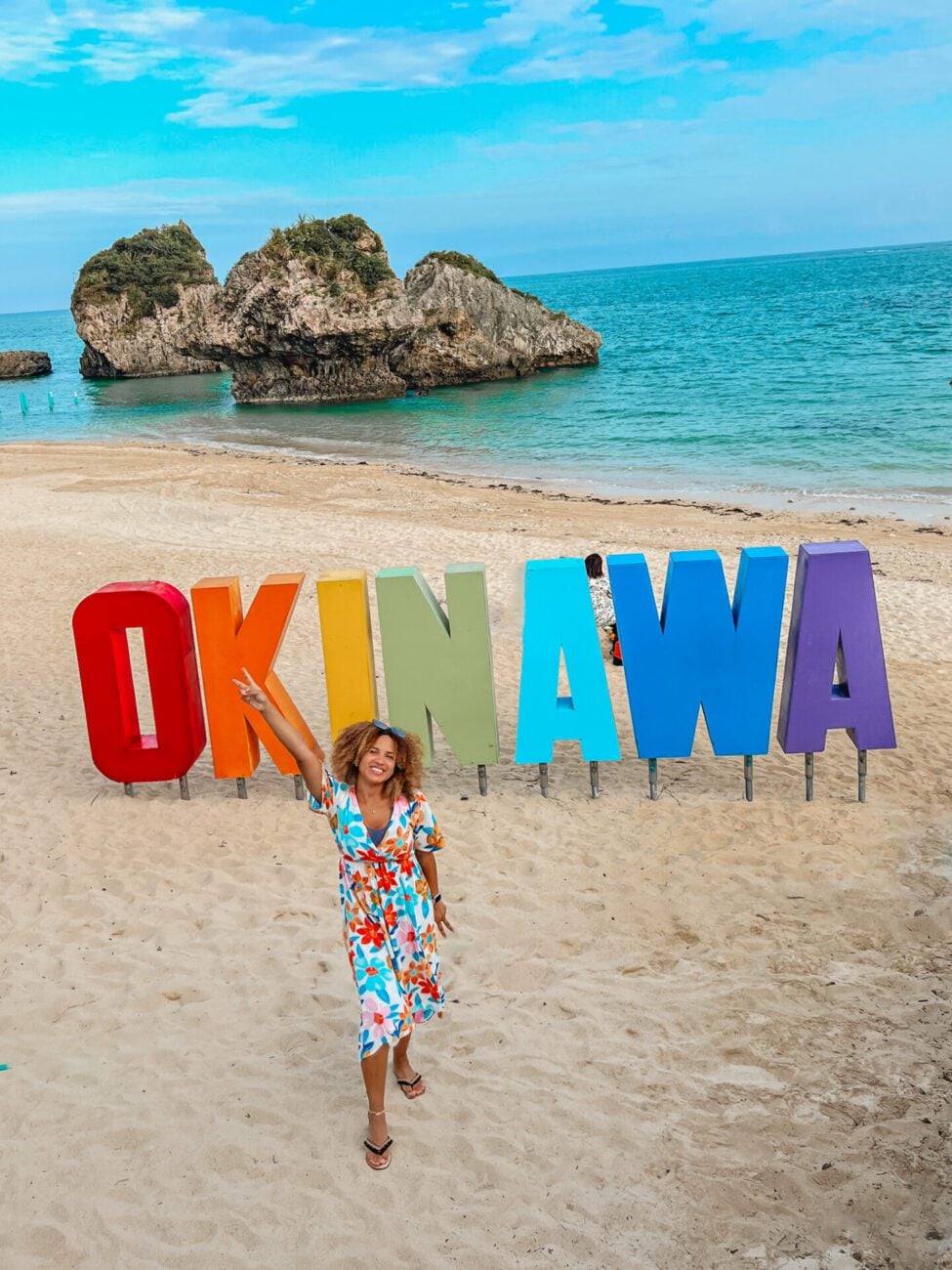
On every one of those trips, I end up in the same kind of place: off the beaten path.
Huge crowds, long lines, and tourist pricing drain me. The real experience of a country is a little slower and more intentional, with room for quiet moments.
The best way to love a country that's being loved to death? Take your money, your curiosity, and your bookings to a region that is being overshadowed!
Japan's overtourism crisis, by the numbers
- Japan welcomed a record 42.7 million international visitors in 2025, up from 36.87 million in 2024.
- Those visitors spent about ¥9.5 trillion (roughly $60 billion).
- The government is aiming for 60 million visitors a year by 2030.
- About 70% of foreign visitors' overnight stays happen in just three metropolitan areas: Tokyo, Osaka, and Nagoya, (Japan's 2024 Tourism White Paper)
- Kyoto alone counted 62.79 million visitors in 2025, including a record 12.68 million from abroad.
That concentration strains local residents. And for small businesses, it's madness.
The beaten path routes? They're beaten to death.
I've seen this up close in Barcelona and Paris. The most famous streets turn into one long queue, prices climb, and the locals who make those cities special get squeezed out of their own neighborhoods. Japan is heading down the same road.
…and an undertourism crisis at the same time
Here's the part fewer people talk about: while Kyoto's buses overflow, other parts of Japan are quietly emptying out.
- Japan recorded just 671,236 births to Japanese citizens in 2025, the lowest since records began in 1899 and the 10th straight record low. The fertility rate fell to 1.14.
- Young people consistently move from the countryside to the big cities for work. Rural towns get older and smaller every year.
- A 2024 expert panel warned that 744 cities, towns, and villages, about 40% of Japan's municipalities, could eventually disappear, with their populations of young women projected to halve by 2050.
- Japan has more than 9 million vacant homes, called akiya. That's nearly 14% of all housing, and some sell for under $10,000.
You've probably seen the viral videos about dirt-cheap houses in rural Japan. They're everywhere, and they all point back to the same problem.
Back in 2018, a story titled “Japan is giving homes away for free amid surplus of vacant ‘ghost houses'” made the rounds everywhere.
It followed a couple who were handed a house for free in Okutama, a mountain town on the far western edge of Tokyo prefecture. Okutama's population had fallen from over 13,000 in the 1960s to about 5,200, and roughly 400 of its 3,000 homes were sitting empty. So the town started an “akiya bank” to match empty houses with new residents, and even subsidized repairs, on one condition: you had to actually move there.
Then there's Jaya Thursfield, an Australian dad whose story SBS Dateline covered in “How Jaya bought the ‘Australian dream' for $30,000 in Japan.” He bought a 250-square-meter farmhouse with a wraparound veranda in Ibaraki, about an hour from Tokyo, for about AU$30,000, then documented the renovation on YouTube. And CNBC Make It profiled an investor who owns seven akiya, including one he bought and renovated for about $110,000 that now brings in around $11,000 a month as a short-term rental.
Those videos are fun to watch… but the reason those homes are so cheap is the story.
When a town loses its people, it loses its craftspeople, its family-run inns, its festivals, its trades, and the local knowledge that makes a place worth visiting. All of it gets overshadowed by the handful of big-city sights everyone already knows.
So Japan is facing two crises at once: too many tourists in a few famous places, and too few in the regions that could really, really use the boost.
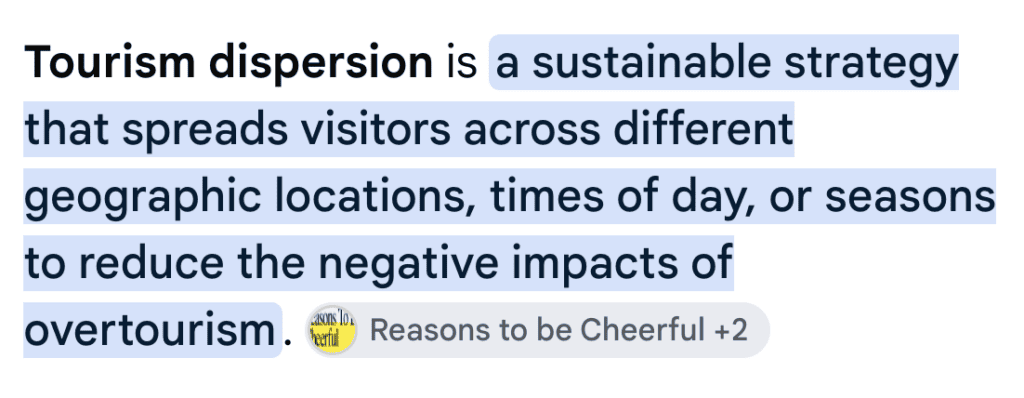
The fix has a name: “tourism dispersion”
Tourism dispersion means intentionally taking your currency, your curiosity, and your bookings off the beaten path. Japan's own tourism white paper calls for drawing visitors into regional areas to ease the pressure on its big cities.
When travelers spread out, the whole country benefits, and the same logic applies to every other overtouristed destination on your list.
I've been preaching this for years. I spent three years partnering with Intrepid Travel, which publishes an annual Not Hot List of underrated destinations to visit instead of the overcrowded hotspots. This trip applies that same idea inside one country.
This trip is my version of that. Here's where I'm going.
Stop one: 📍Asahikawa, Hokkaido
I've been to Hokkaido before, when I worked with Visit Sapporo. Most people know Hokkaido for skiing in Niseko. This time we're going way further north, to Asahikawa.
Asahikawa is Hokkaido's second-largest city, home to roughly 320,000 people and ringed by the peaks of Daisetsuzan National Park. It's known for Asahiyama Zoo, its rich soy-based Asahikawa ramen, furniture-making, and a deep sake-brewing tradition.
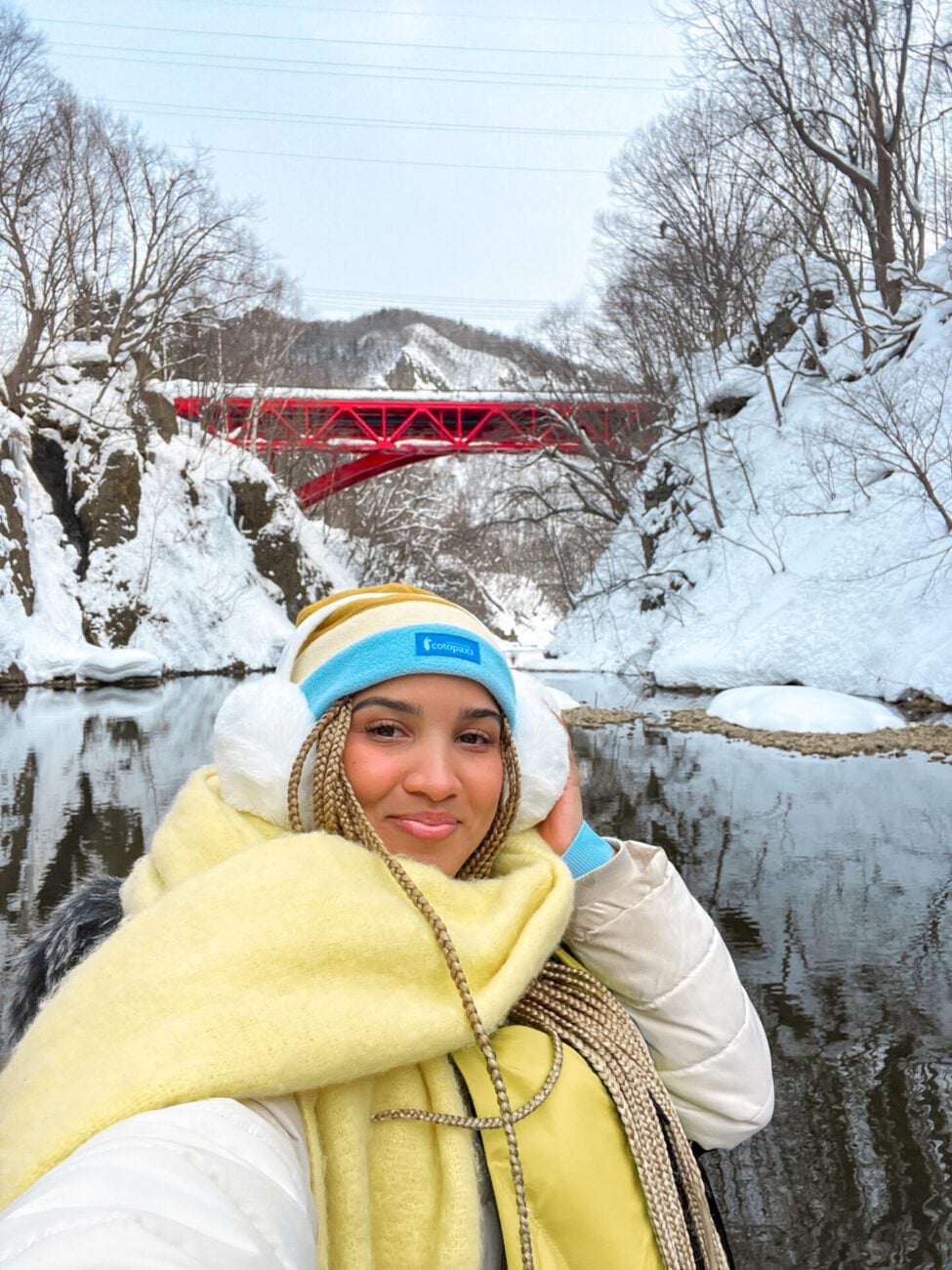
It's also cold. The city recorded −41°C in 1902, still cited as the lowest temperature in Japanese history!
If the name rings a bell, there's a good chance it's from Golden Kamuy. When I posted about this trip, so many of you replied with that anime! It's set in Hokkaido in the early 1900s, follows an Ainu girl named Asirpa, and its infamous Imperial Army 7th Division was based right in Asahikawa. I hadn't heard of it until your replies, and it's a great entry point into the Ainu culture I'll be learning about.
Did you know Japan has a unique Indigenous population, separate from the widely known Japanese ethnic group? The Ainu live in Hokkaido, and I'll be learning about their culture while I'm there. Here's a taste of what's on my itinerary:
- The Kawamura Kaneto Ainu Memorial Museum, where I'll learn about Ainu history and culture with an Ainu host.
- The Asahidake Sugatami Pond hike in Daisetsuzan National Park: a ropeway ride up Mount Asahidake, then about two hours on the trail.
- A kakuuchi sake tasting in town and a visit to Takasago Shuzo, a local sake brewery, because Asahikawa is the city of sake.
- A rice tasting at Uemori Beikokuten, including a rare black rice called Kita no Murasaki, plus a workshop turning a recycled rice sack into a bag.
Stop two: 📍Kyoto, minus its greatest hits
Then I'm heading south to Kyoto. Japan's former imperial capital is famous for its temples and shrines, the red torii gates of Fushimi Inari, the Arashiyama bamboo grove, and the geisha district of Gion. It's on nearly every first-timer's Japan itinerary, and the numbers show it: a record 62.79 million visitors in 2025.
The result? Lines, packed buses, and frustrated locals.
In 2024, Gion started fining tourists ¥10,000 for wandering into its private alleys. A local council put it bluntly: “Kyoto is not a theme park.” Some Japanese schools have even started dropping Kyoto from class trips because of crowded buses, packed temples, and soaring hotel prices.
In the city's own 2025 visitor survey, crowding topped the list of complaints from both international and Japanese travelers.
People know Kyoto for its geisha, temples, and bamboo groves. Fewer know it for its mountain trails, its farming villages, and the quiet countryside temples tucked into the valleys north of the city. That's the side I'm here for.
I'm skipping the geisha, sumo, and ninja experiences, getting on a mountain bike, digging into the culture, and staying away from as many lines as I possibly can.
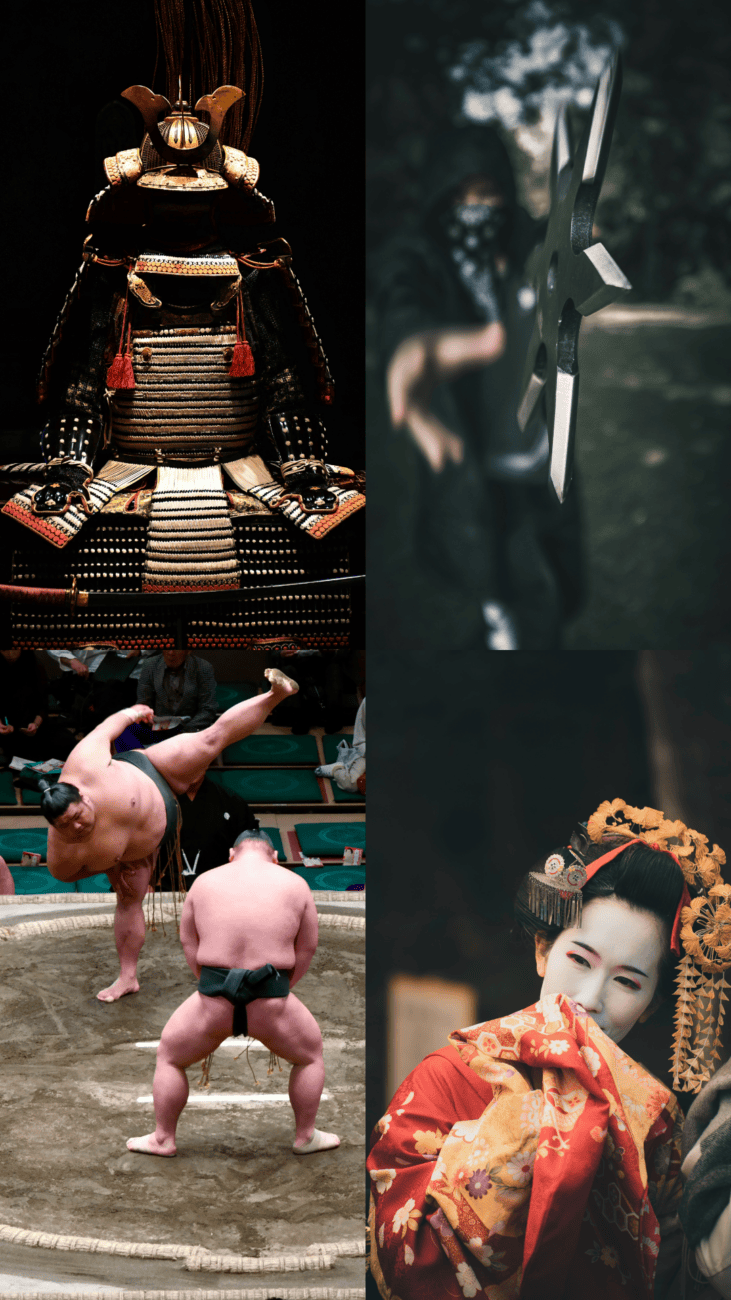
That means a day out in Ohara and northern Kyoto, plus a few stops most visitors skip:
- Jisso-in Temple, where the polished wooden floors reflect the autumn leaves like a perfect mirror.
- Hosen-in Temple, another of Ohara's quieter temples.
- Lunch at Ohara Seryo, a ryokan in the Ohara valley.
- An Oharame dress-up experience, inspired by the women of Ohara who once carried firewood and goods into Kyoto to sell.
- The Old Mitsui Family Shimogamo Villa, the Keage Incline, and the Kyoto Museum of Crafts and Design.
Explore a country instead of consuming it
You can wait in line for three hours for the viral pancake you saw on TikTok.
Or you can prioritize exploring a country instead of just consuming it.
Maybe it's because I've been to 60+ countries, but I've had the privilege of seeing past shiny object syndrome a bit. Getting beyond the beaten path is where the opportunity is. You meet different kinds of people. You support smaller towns. Your money makes a real impact on someone's business and life. You end up in more family-owned, more intimate experiences, and you collect more of those once-in-a-lifetime moments.
Just because something is going viral on Instagram doesn't mean it interests you. Travel for your own growth, your own development, and your own experiences, and leave behind the checklist that strangers on the internet care about.
Here’s why I care about this way beyond Japan. The checklist trip and the checklist life run on the same belief: if everyone’s doing it, it must be the right move. Picking the town with no viral videos is a small, low-stakes way to practice choosing yourself before anyone tells you it’s worth it. Practice it on a trip, and it gets easier to do with your career, your money, and your time.
That’s what Packs Light is about: designing a life you don’t need a vacation from. A trip with no lines is a pretty good place to start.
I make content for that second group. If that's you, you're in the right place!
Watch the video I made talking about this before my trip:
How to travel Japan the dispersed way
- Plan at least part of your route outside Tokyo, Osaka, and Nagoya, where most foreign visitors' overnight stays are concentrated.
- Scroll to the second page of Google Places. The spots just past the top results are usually calmer, cheaper, and more local.
- Build a stop around the people and culture of a place, like learning about the Ainu in Hokkaido.
- Choose the experience a city is locally known for, like sake in Asahikawa, over whatever is trending on your feed this week.
- Spend your money with the small businesses outside the crowded zones, where it does the most good.
- In famous cities, head for the outskirts and quieter neighborhoods, like Ohara on the edge of Kyoto.
- Before you book anything, ask yourself: would I still want to do this if I couldn’t post it?
Follow along
For more on life design, freedom, and travel, join The Exit Row, my Packs Light newsletter.