Ask most people about Asahikawa, and you'll get one of two answers: “…Where?” or, at best, “Oh, you mean the zoo?”
When it shows up on a Hokkaido itinerary at all, it's usually a quick stop on a day tour from Sapporo, squeezed in between the zoo and the Blue Pond in Biei.
If you've been to Japan once, there's a little voice that says the second trip should be Tokyo again, just slightly different. But the third? Maybe you're feeling a bit more brave. Somewhere nobody's heard of can feel like a gamble with your precious vacation days.
I took the gamble. I based myself in Asahikawa for four days in October, and it quietly became the heart of my whole Japan trip. If you've been to Japan before and you're craving a completely different side of it, this is the post I'd want you to read before you book.
Your trip is for you. You don't have to do what everyone else is doing to have an amazing time in Japan.
I was hired to experience and storytell about the Asahikawa Airport Area Branding Enhancement Project, organized by the Hokkaido Tourism Organization. The opinions, and the very full stomach, are all mine. (For the bigger picture of why Japan asked me to skip its most famous sights, start with my overview post, Japan Hired Me to Skip Its Most Famous Sights. Here's Where I'm Going Instead.)
This post contains affiliate links. If you book through them, I may earn a small commission at no extra cost to you.
Is Asahikawa worth staying in, or is it just a day trip?
Stay! And I'm not just saying that.
Asahikawa sits closer to almost everything people bus in for from Sapporo. From Asahikawa Airport, it's about 45 minutes by car to Mount Asahidake, 20 minutes to Biei and an hour to Furano. Base yourself here, and those long tour-bus days turn into easy, unhurried outings.
And it feels safe. My first night, I walked to the 7-Eleven around the corner from my hotel. The streets were quiet, almost empty, and glowing with warm light. Anyone I passed was minding their own business: no loitering, nobody eyeing me. Some quiet towns feel eerie after dark. Asahikawa felt calm, like the whole city had exhaled.
You also get a real city to come home to: ramen shops, izakayas, sake bars and a walkable downtown.
And everywhere I went, I met characters I'll remember for a long time, from the bartender who laughed at everything to the hosts who welcomed us into their kitchens and breweries.
What is there to do in Asahikawa besides the zoo? My 4-day itinerary
I never even made it to the zoo, and I didn't miss it for a second. Here's how my four days actually unfolded. It began by checking into OMO7 Asahikawa, my cozy home base for the rest of the stay.
Day 1: Ainu culture, sake and sizzling steak
One of the main reasons I wanted to come to Asahikawa was to learn about the Ainu, the Indigenous people of Hokkaido.
Before the trip, I posted a video answering a question from my comments: did you know there's an Indigenous culture in Japan? Most Americans I talk to have never heard of the Ainu.
I lived in Okinawa as a kid, and came to Hokkaido in 2024 when I visited Sapporo and Kushiro, so I knew a bit about their indigenous peoples from that, but not much.
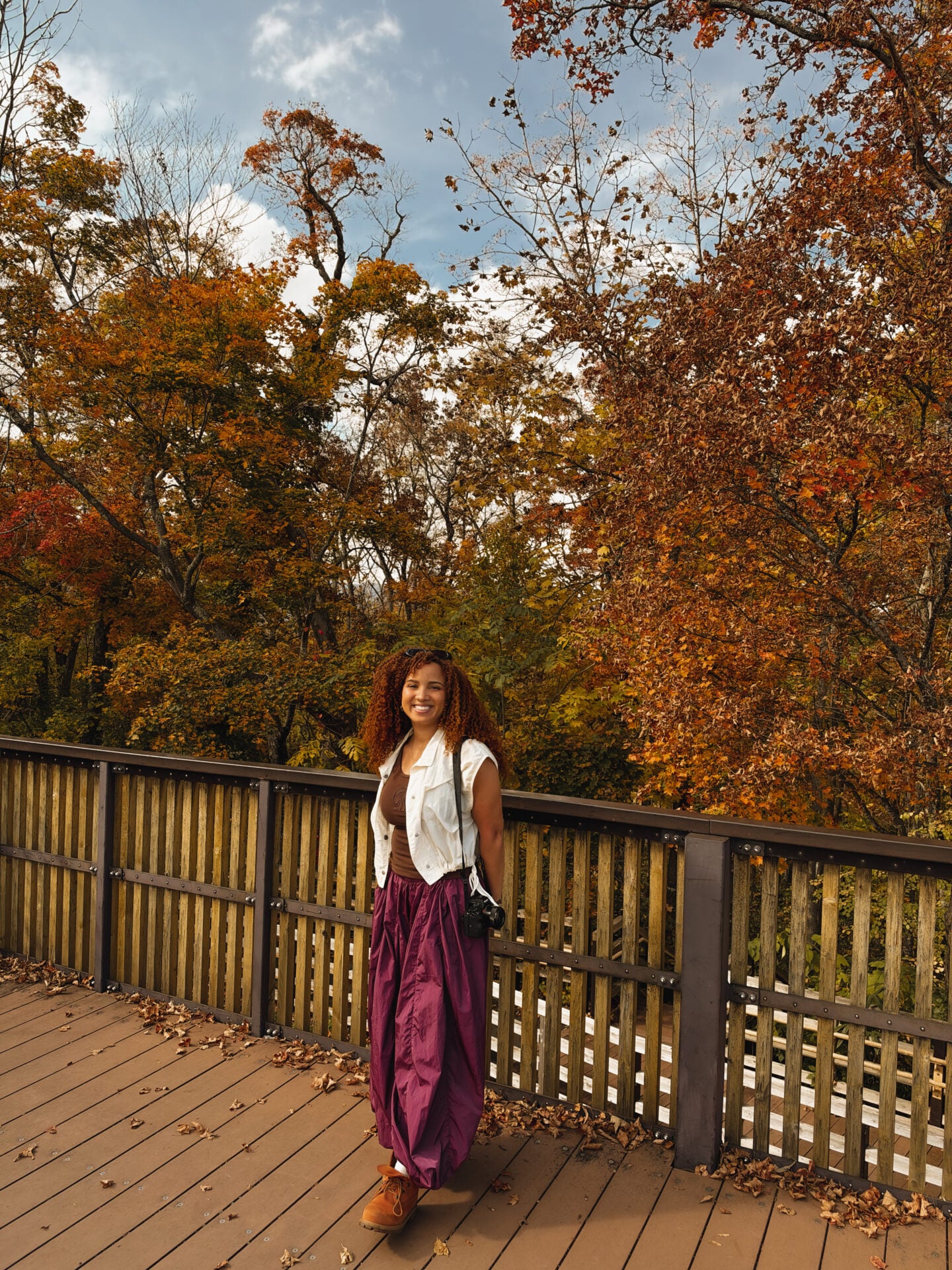
The morning began with a leaf-peeping hike up Arashiyama, where our guide pointed out how the Ainu used the plants along the trail. At the top, the whole city spread out below us.
Then I went to the Kawamura Kaneto Aynu Memorial Museum and shared lunch with the Kawamura family, descendants of the last Ainu chief in this region. I ate inside a cise, a traditional Ainu house, with a fire pit at its heart and moss creeping over the roof. It reminded me of structures built by Indigenous peoples back home in North America. You can't do this in Tokyo.
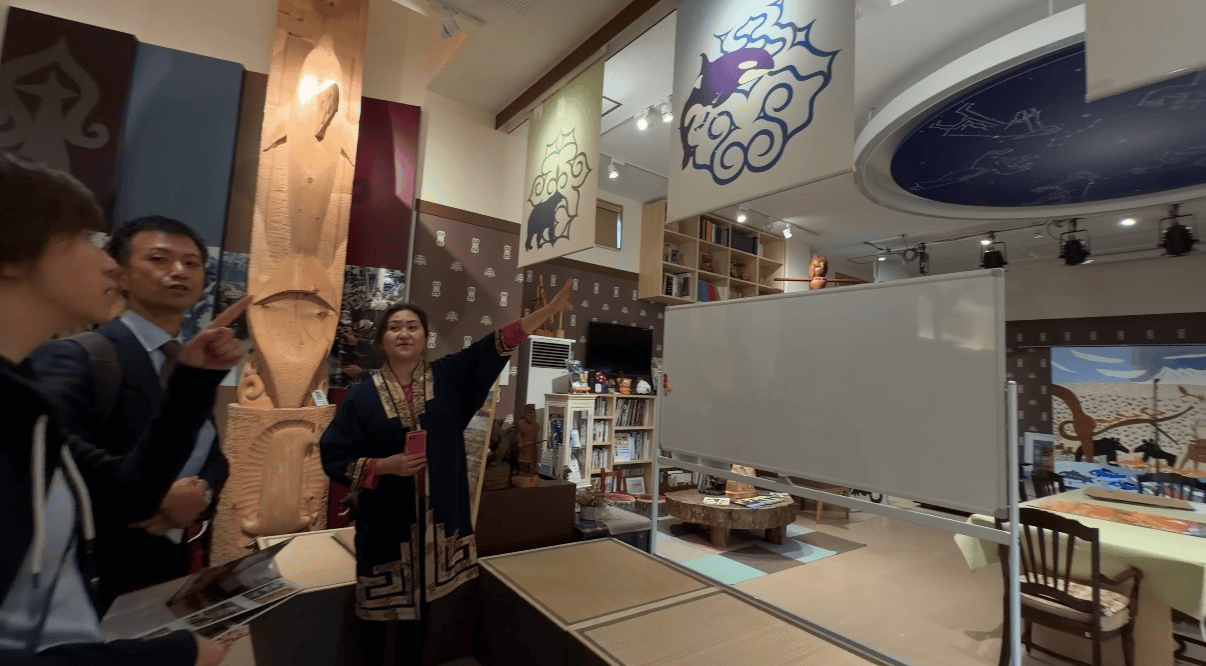
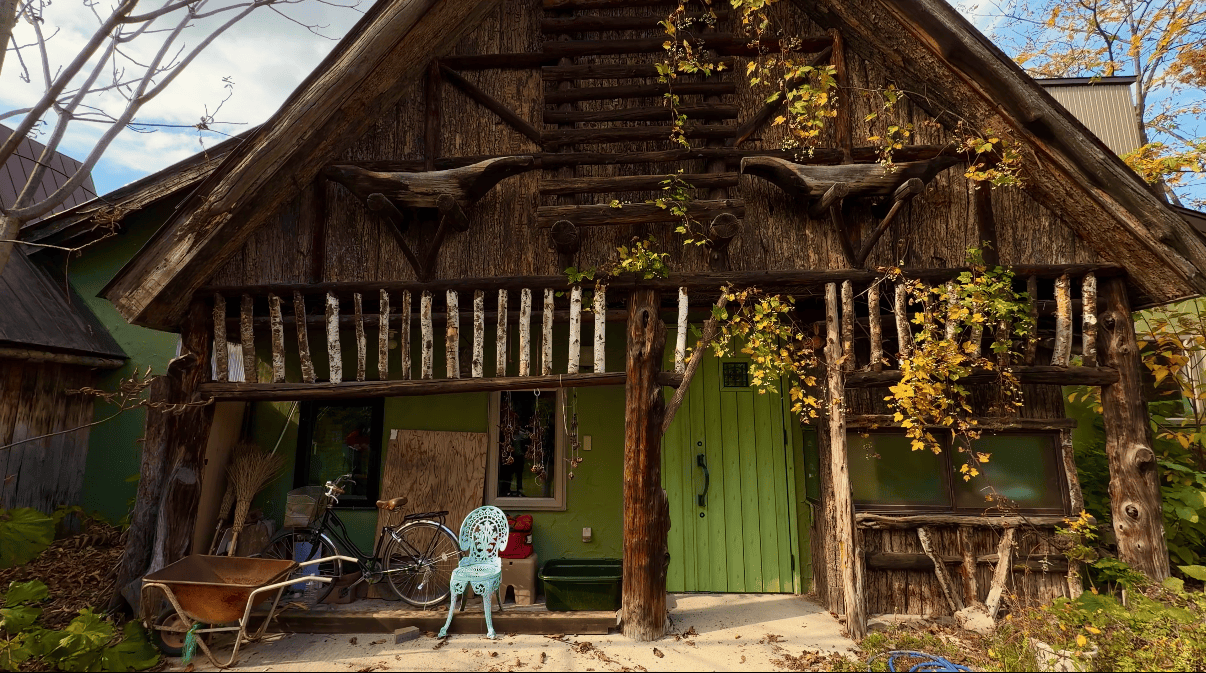
Lunch was ohaw, a warming soup of salmon, mushrooms, burdock and daikon seasoned simply with salt, alongside sito and rice. I sipped a berry tea made from a plant we'd passed on the morning hike.
I asked Hisae Kawamura—the museum's Deputy Director—what she most wants first-time visitors to understand. Her answer was the Ainu worldview: that the Ainu are people, and that they hold the Kamui, their deities, as precious.
She also corrected a myth I'd never heard: some people claim the Ainu arrived in Hokkaido about 800 years ago, when people have lived there since around the Ice Age. Some animals are deities themselves, she told us, and some are gifts from the deities. Either way, the Ainu never forget to be grateful for what nature gives.
Then she talked about bears. Right now in Japan, the story is that bears attack people. She sees it differently: humans and animals are fellow beings who live together. Bears rarely set out to harm anyone, and most incidents happen as people push farther into their territory. She hopes people will respect nature more.
Her favorite Ainu word is ureska, which means growing together. To her, it means our life, our living. I've been turning that word over in my head ever since. It gave me a whole new perspective on the cultural depth of Japan.
Some advice:
If you go, go with a host or guide, ask before you photograph or film, and let the people whose culture it is lead the conversation.
The Ainu culture tour I joined isn't bookable yet. It's being prepared for public release, with a planned launch around spring 2027, and you'll find updates on the Taisetsu Kamui website.
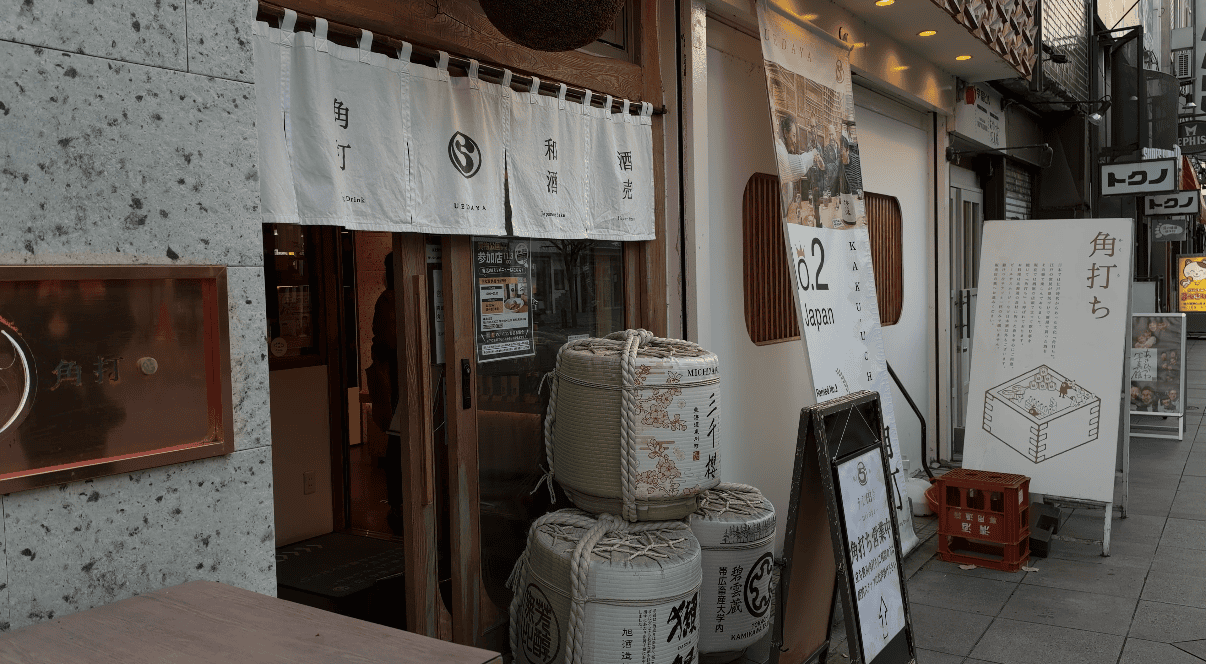
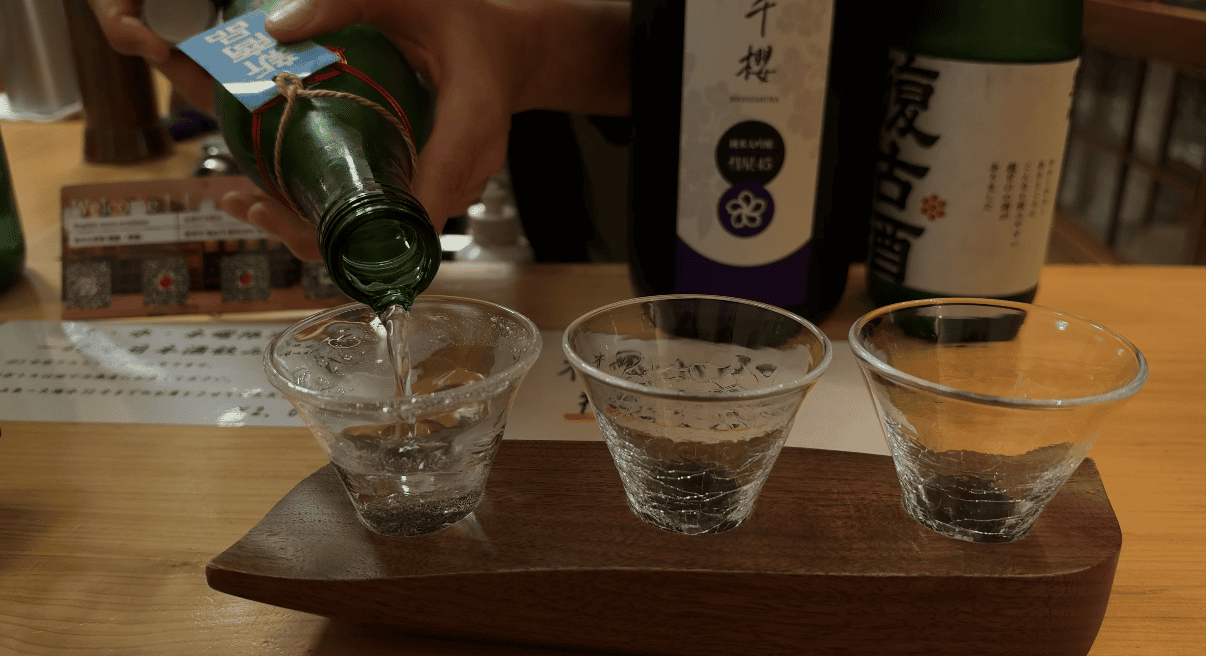
That afternoon, I did a kakuuchi sake tasting at Uedaya in downtown Asahikawa: three local sakes, a few regional snacks and a bartender who smiled and laughed at everything. He'd just come back from his honeymoon in Spain. I repeated a few things to each other a few times, and it didn't matter one bit, because his energy filled the room. Dinner was ishiyaki, stone-grilled steak, at Ishiyaki Steak Kikuzen. Bring your appetite and your camera, because the sizzle is half the show.
Day 2: the mountain, the water and black rice
I grabbed onigiri at Chamise in Higashikawa and headed for Mount Asahidake. The mountain had other plans, but more on that in the next section.
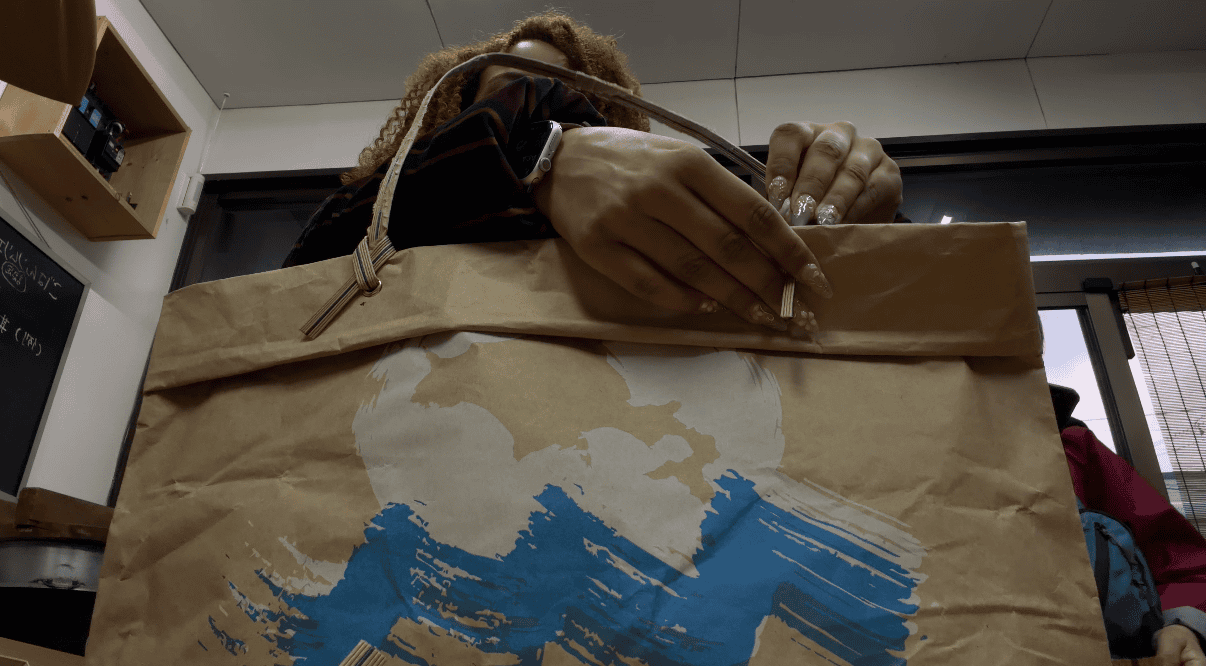
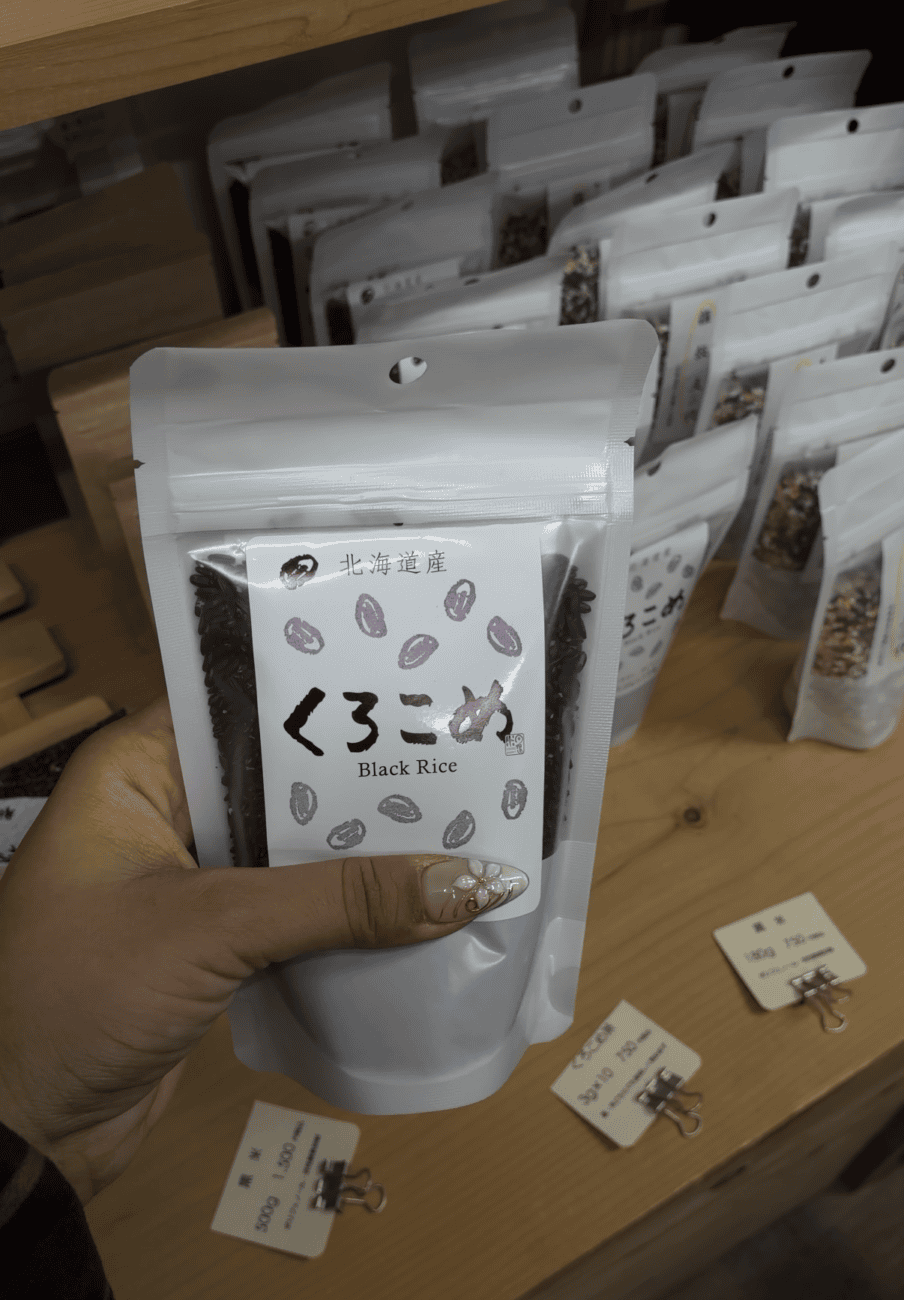
The afternoon was a love letter to Daisetsuzan's mountain water. I tasted gin at TANKYU Distillery, made with that water, then wandered through Michikusakan, Higashikawa's roadside station. At Uemori Beikokuten, I tasted local rice, including a rare black rice called Kita no Murasaki, and I turned a recycled rice sack into a tote bag. It's one of my favorite souvenirs from the whole trip, and the only one with a backstory this good.
Dinner was at Ofune, a very local izakaya. If you want to eat where Asahikawa actually eats, this is your table.
Day 3: what the region makes
Day 3 was all about what the region makes. I started at Takasago Shuzo, a sake brewery, then toured Nihon Shoyu to watch soy sauce come to life. I bet you've never flown across the world to tour a factory, because neither had I. But it was very interesting to see how sake was made, for example.
It's one thing to know that sake is made of rice, and a whole other thing to see them load and process tons of white rice into these huge machines, smell it steaming up the factory floor, see the different colors that sake could be, and learn about tasting sake and how it's different from other liquors, etc. Same thing for soy sauce. Who knew it could be so interesting?
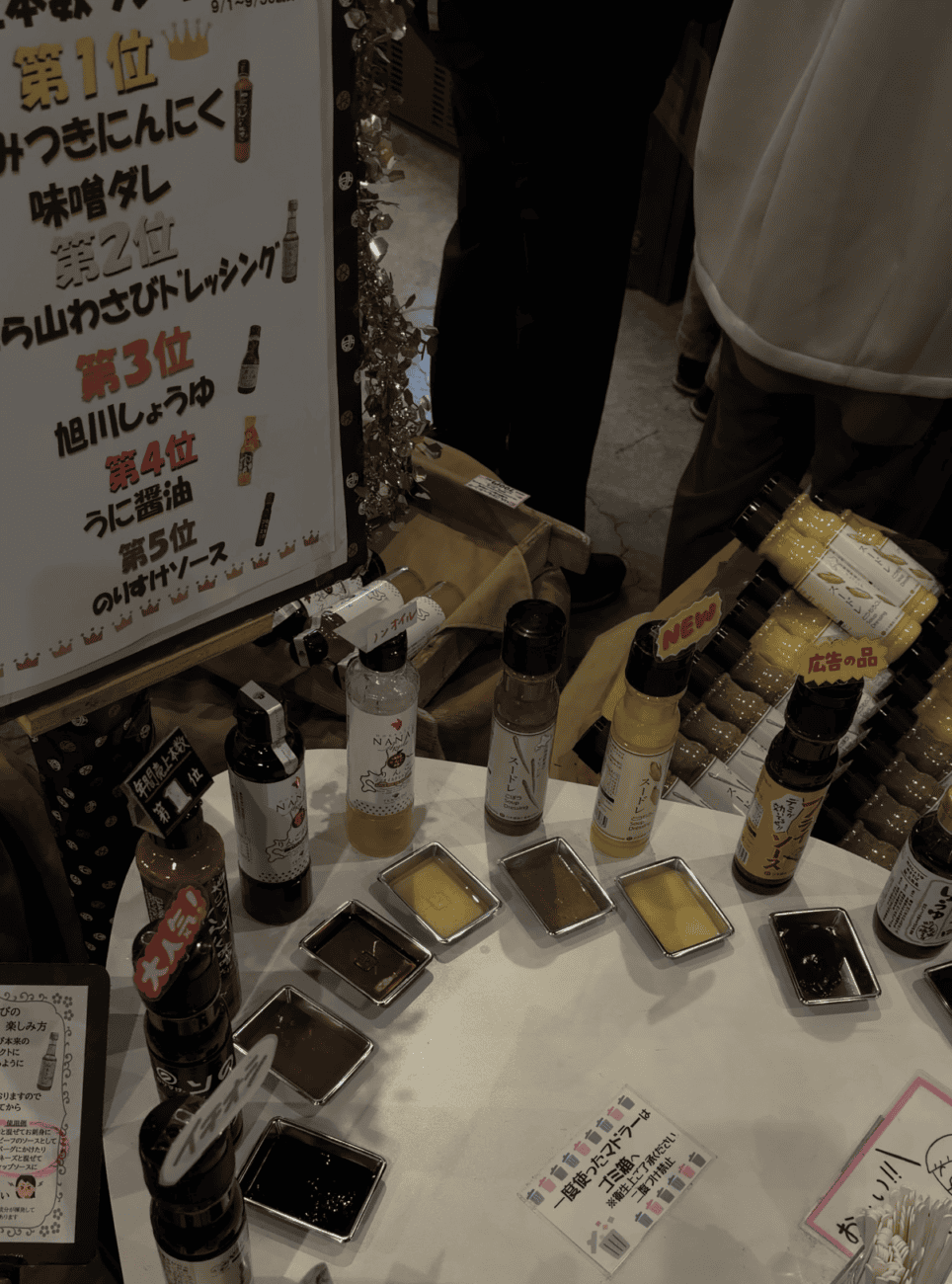
The experiences will make my future dining sessions in Japan, at home, and all around the world more enjoyable with the knowledge!
Lunch was sushi at Oshiro no Koizushi, and the evening ended over local craft beer at Daisetsu Ji-Beer Hall.
And yes, I had Asahikawa ramen. Coming all this way and skipping it would be a crime.
If I'd had one more afternoon
I got too busy, but I would have loved to visit. These are three things I would have done in the city if I had more time:
- Tokiwa Park: an 11-minute walk north of OMO7. It's the city's first public park, from 1910, and in mid-to-late October its ponds reflect golden larches and red maples. Kamikawa Shrine sits right inside.
- Baihodo: a gallery and craft shop founded in 1943, about a 9-minute walk from OMO7 along Heiwa-dori. Asahikawa is known for furniture and woodcraft, so this is where I'd shop for something handmade instead of a generic souvenir.
- Hokkaido Sky Terrace MINORI: on the 15th floor of Art Hotel Asahikawa, a 3-minute walk from OMO7. Go before sunset for a view of the whole city with the Daisetsuzan peaks behind it.
Where I stayed: OMO7 Asahikawa
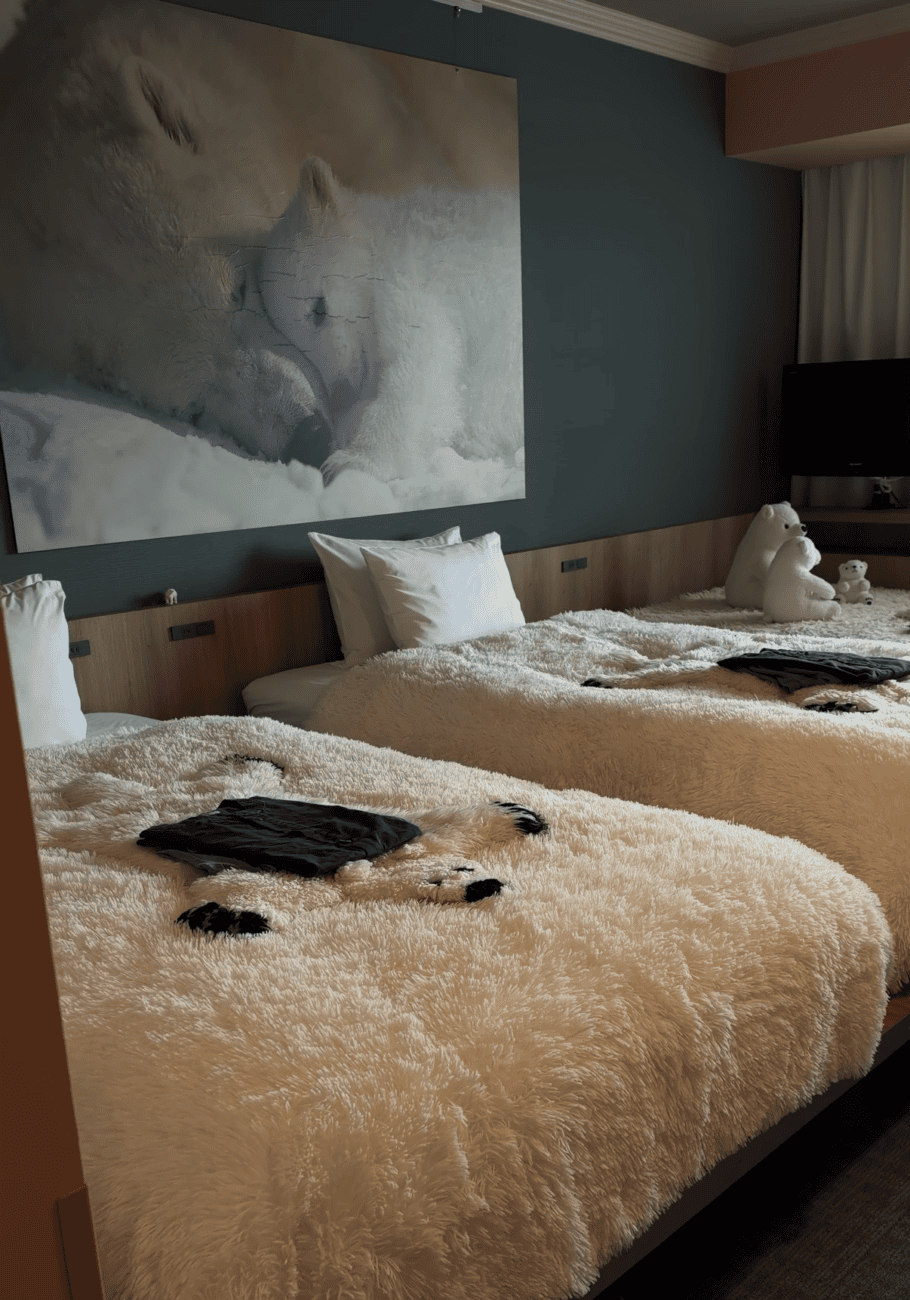
The little touches made this trip, and OMO7 Asahikawa by Hoshino Resorts was full of them. I stayed in the Penguin Room one night and toured the Polar Bear Room another, and yes, they're exactly as playful as they sound, a wink at the city's famous zoo. It's about a 13-minute walk or 5-minute taxi from Asahikawa Station, and an easy stroll to downtown.
Is Asahidake worth it?
Yes, even in the rain. Mount Asahidake is Hokkaido's highest peak, rising out of Daisetsuzan, Japan's largest national park. In the Indigenous Ainu language, the Daisetsuzan mountain range is known as Kamui Mintara, often translated as the “playground of the gods.” After a day there, I understood why.
Our day there was rainy, so the ropeway was out, and I was genuinely disappointed. Seeing Mount Asahidake is one of the biggest reasons people come to Asahikawa, and I'd planned for it, packed for it and daydreamed about it. It stung even more when I heard the group that went the next day got pure sunshine.
So I hiked to Hagoromo Falls instead, and I don't even count it as a consolation prize. It became one of my favorite moments of the whole trip. The leaves were turning, the water was rushing past, and the rain fell softly all around us.
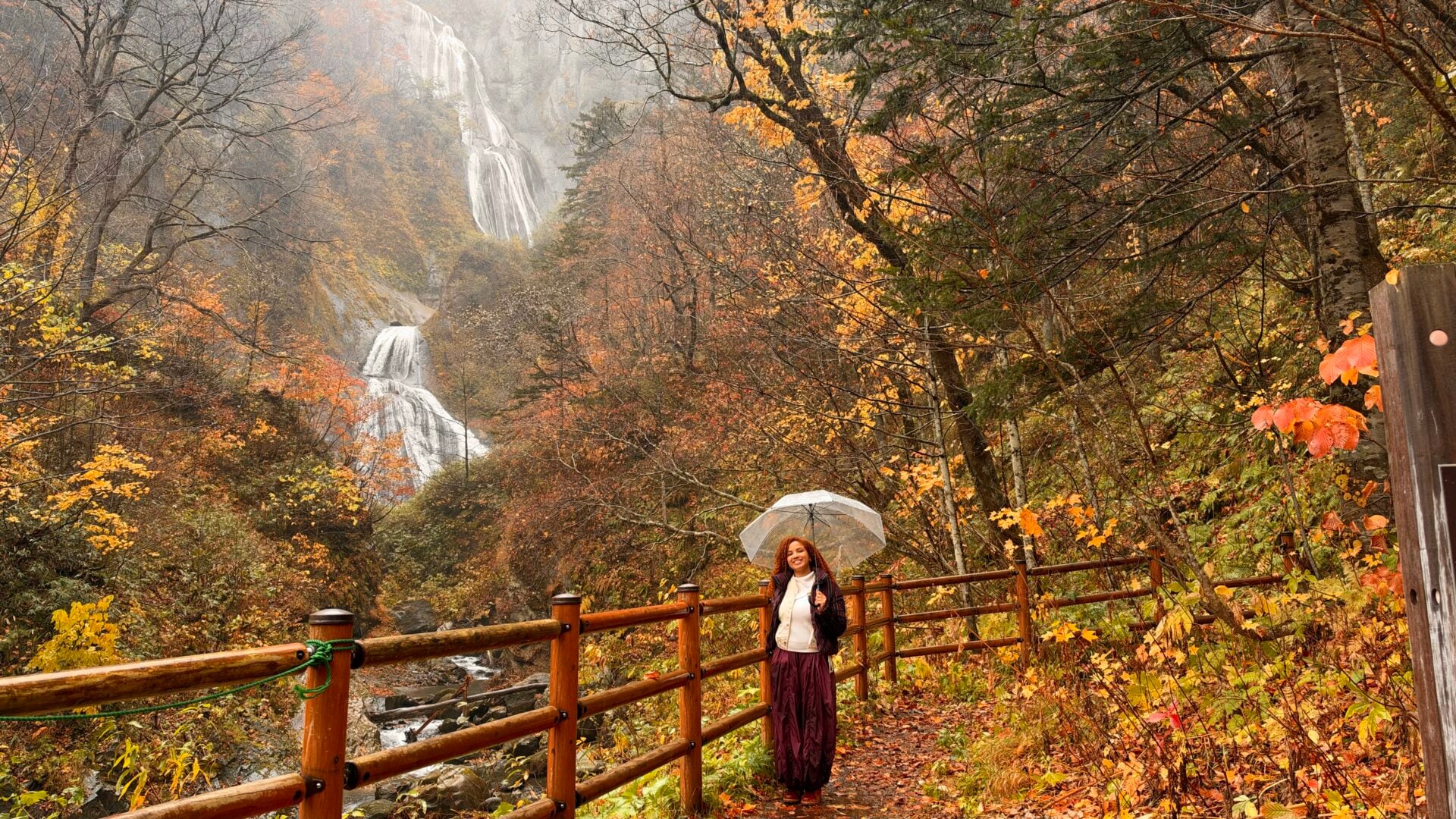
I passed maybe two people the entire walk. It was the calmest version of adventure I can imagine, like breathing the clearest air of your life. It felt healing, the kind of quiet that settles into you and stays.
When the weather cleared, I stopped at the spring-water area at the foot of the mountains. This is the water that makes the region famous for its sake, and you can drink it cold and fresh, straight from the source.
On a clear day, the classic plan is the Asahidake Ropeway up to Sugatami Station, then the loop trail to Sugatami Pond. It's about 1.7 km round trip and takes around an hour for most walkers.
My advice: mountain weather changes fast here, so check the forecast that morning and keep a backup plan in your pocket. A waterfall in the rain and a sip of spring water made for a day I'd happily live again.
Is October a good time to go?
October is the perfect time for Asahikawa. You get fall leaves in town and snow on the mountain in the same week, two seasons for the price of one trip.
Time it carefully, though. Locals kept telling me that fall here only lasts a few weeks, because winter is their longest season. Mid-October gave me changing leaves on the Arashiyama hike and the first snow already sitting on Asahidake.
Expect highs around 21°C (70°F) and lows around 6°C (43°F) in town, and colder, windier weather on the mountain. Pack warm layers, a rain jacket and pants, a beanie, gloves and waterproof hiking shoes.
How to get to Asahikawa and get around
Fly into Asahikawa Airport. It's modern, beautifully kept and the most convenient way into the city, and it puts you closest to Asahidake, Biei and Furano.
Or take the train from New Chitose, like I did. Japan makes you collect your checked bags at your first airport, even on a connection, so build in time at Haneda. From New Chitose, take the Rapid Airport train to Sapporo (about 40 minutes, ¥1,150), then the Lilac limited express to Asahikawa (about 1 hour 25 minutes, ¥5,440 with a reserved seat). Buy tickets at the airport station counter so staff can help with the reservation.
You don't need a car for Asahidake. Public buses run from Asahikawa Station and Asahikawa Airport to the ropeway, about 1 hour 45 minutes from the station or about an hour from the airport.
So, is Asahikawa worth it?
For me, it was the best part of my Japan trip. Asahikawa gave me Ainu history I'd never been taught, a mountain I'd never heard of and a city that felt like mine to discover.
Your trip is for you. You don't have to do what everyone else is doing to have an amazing time in Japan. When you plan your next trip, pick one place you've never heard of and build around it.
Heading south after Hokkaido? Read my Kyoto anti-overtourism itinerary next. And if you want more ideas like this in your inbox, join The Exit Row, my newsletter on designing a life you don't need a vacation from: packslight.kit.com/profile.